You might be feeling a bit guilty every time your child’s school sends home another reminder about brushing, or when you realize the last dental visit was “just last year” but somehow it has been closer to two. You care about your family’s health, you try to do the right things, yet dental care often slips to the bottom of the list, which is why partnering with a trusted Garden Grove family dentist can make such a difference. By the time a tooth starts hurting, the stress, the cost, and the “why didn’t we catch this earlier” feeling can hit hard.end
Because of that tension, you might wonder if there is a calmer way to care for your family’s teeth. Something that does not depend on emergency visits or lectures in the dental chair. That is where education comes in. When you understand how teeth really stay healthy, and when your kids understand it too, family dental wellness becomes less about reacting to problems and more about quietly preventing them. In short, education turns random visits into a family dental wellness program.
So, what does that look like in real life, and how can you move your family in that direction without adding more pressure to your already full day?
Why does dental wellness feel so hard to manage for families?
It often starts with small things. A rushed bedtime, so brushing is quick or skipped. A busy weekend, so snacks come from bags and boxes instead of the kitchen. A missed checkup that turns into two. None of this makes you a bad parent. It makes you human.
The problem is that teeth do not complain early. Cavities grow quietly. Gum problems do not shout. By the time pain appears, the damage is often deeper and the treatment more involved. That means more appointments, more time off work, and higher bills. The emotional weight of watching a child scared in the dental chair only adds to it.
Now add the confusion. Fluoride is good or bad. Brushing apps, electric brushes, special rinses. Conflicting advice from social media. It is easy to freeze and fall back on whatever you grew up with, even if you are not sure it is enough. Because of this, many parents feel they are always behind when it comes to their family’s oral health.
So, where does that leave you? Often with a sense that dental care is important, but the “how” is blurry. That is exactly where education can steady things.
How does education quietly change your family’s dental health story?
Education is not about memorizing charts or making you feel judged. It is about turning confusing rules into simple habits that make sense for your life. When everyone in the house understands the “why” behind brushing, flossing, and regular visits, the daily battles ease up and the long term results improve.
Think about a child who knows that “sugar bugs” in the mouth use leftover food to make acid that hurts teeth. That child is more likely to brush without a fight, not because you nagged, but because it makes sense. Resources such as the CDC’s oral health tips for children explain this in simple language that you can share at home.
Or consider a teen who understands that sports drinks and constant snacking keep acid levels high in their mouth. Suddenly, choosing water more often feels like their own decision. You are not just “telling them what to do.” You are partnering with them.
A truly effective family oral health education program does three things. It gives you clear information about what works. It turns that information into routines that fit your schedule. And it helps your children build ownership, so you are not the only one carrying the load.
Education also protects your wallet. Preventive care and early treatment usually cost far less than root canals, crowns, or extractions. By teaching your family how to prevent problems, you are often avoiding both pain and large surprise bills later. That is one of the quiet strengths of an educated family dental care approach.
What are the real tradeoffs in family dental wellness education?
You might still wonder if all this effort is worth it. Is it really so different from just going to the dentist when something hurts? To answer that, it helps to compare two paths. One that relies on crisis care, and one that uses ongoing education and prevention.
| Approach | Short Term Experience | Long Term Impact | Typical Costs Over Time |
|---|---|---|---|
| Wait for problems, then react | Fewer visits at first, less planning, more surprise emergencies | Higher risk of cavities, extractions, and anxiety about the dentist | Lower early costs, but larger, less predictable bills for major treatment |
| Ongoing education and prevention | Regular checkups, a bit of daily effort, clearer routines | Fewer serious problems, more confidence, better habits for life | Steady small costs for checkups, usually far lower total costs over the years |
Research consistently shows that children who learn and practice good oral hygiene early have fewer cavities and healthier gums as adults. Tools such as the NIDCR’s oral health information for children are designed to help parents and caregivers explain these habits in ways kids understand.
There is another benefit that is easy to overlook. When dental care is calm and predictable, your child’s emotional picture of the dentist changes. Instead of “the place where things hurt,” it becomes “the place we go to keep my smile strong.” That shift can last a lifetime, and it starts with simple, repeated education at home and in the dental office.
Three steps you can take now to strengthen your family dental wellness program
1. Create a simple, shared brushing routine
Pick two “anchor times” that already happen every day. For most families that is after breakfast and before bed. Decide that everyone brushes for two minutes at those times. Use a timer or a short song. Younger children may enjoy an activity, and you can print the CDC’s dental health activity book to make brushing a fun topic rather than a chore.
Talk briefly about why you are brushing, not just that you must. For example, “We brush to clean the sugar off our teeth so they stay strong.” That short sentence, repeated often, is education in action.
2. Turn snacks and drinks into quiet teaching moments
You do not need to ban all treats. Instead, use them to teach. When your child asks for a sweet drink, you might say, “That has sugar the germs in our mouth love. How about we save that for with a meal and choose water for now.” Over time, they learn that constant sipping is harder on teeth than having a treat with food.
Keep a few “teeth friendly” snack options in reach, like cheese, nuts if age appropriate, or cut vegetables. When you offer them, say why. “This snack does not stick to your teeth as much, so it is kinder to your mouth.” Simple, clear explanations turn food choices into part of your family dentist level of care at home.
3. Use regular checkups as mini classes, not just checklists
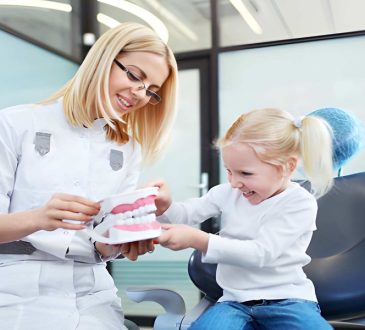
At your next visit, treat your dentist and hygienist as partners in education. Encourage your child to ask one question, even if it is small, such as “What is that tool for” or “Am I brushing my back teeth well.” Ask the dental team to show your child where they are doing well, and where they can improve.
Between visits, keep a running note on your phone of things you wonder about. Tooth grinding. Thumb sucking. Mouth breathing at night. Bring those questions to the appointment. This turns a routine cleaning into a tailored dental wellness education session for your family, and it costs you nothing extra.
Bringing it all together with calm confidence
You do not need to become a dental expert, and you do not need a perfect record of never missing a brushing. What matters is the direction you are moving. Each small choice to explain the “why,” each calm conversation about snacks, each checkup treated as a chance to learn, builds a stronger foundation for your family’s smiles.
Over time, the role of education in family dental wellness programs is simple. It turns fear into understanding. It turns nagging into shared goals. It turns random visits into a steady rhythm of care. Even if you feel behind today, you can start with one small change tonight, and your family’s future dental health will already be on a better path.