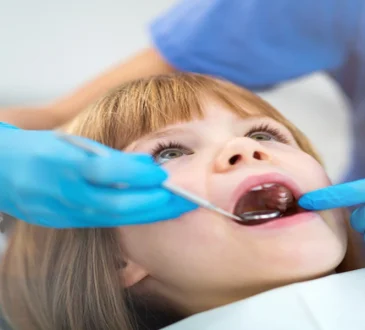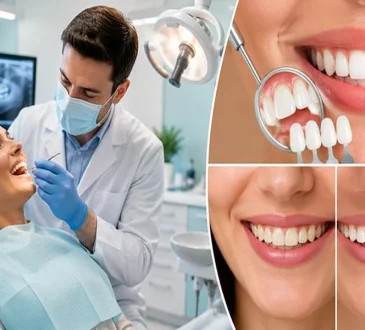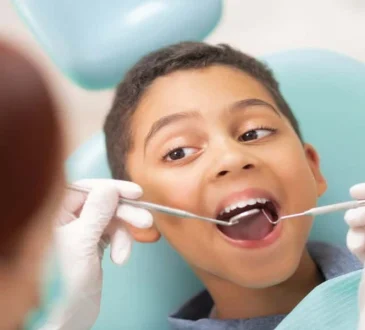
You may be looking at an old chip, a tooth that turned darker over time, or a front tooth that never looked quite right after a fall years ago. For some people, the injury happened in grade school and the cosmetic effect stayed long after the pain faded. For others, it is your child’s smile you are worried about, and the fear is not only about appearance but about what comes next. That mix of stress, guilt, and frustration is common. Dental trauma in childhood can leave marks that show up later, and the fix is rarely one size fits all, especially when considering cosmetic dentistry in Lakewood Ranch.
How dentists address cosmetic concerns caused by childhood dental trauma depends on the age of the patient, which tooth was injured, whether the nerve survived, and how the smile developed afterward. Some cases need bonding or whitening. Some need reshaping, veneers, crowns, or orthodontic care. Some need treatment inside the tooth first because a cosmetic fix alone will not hold up. A skilled family and cosmetic dentist looks at the whole picture, not just the spot you see in the mirror.
Childhood Dental Injuries Often Change Appearance Years Later
A childhood dental injury can affect enamel, tooth color, shape, and even the way the gums frame the tooth. A fall on a sidewalk may seem minor at first, then years later one front tooth looks shorter, grayer, or slightly pushed back. That is one reason dentists do not treat trauma as a simple cosmetic issue. The appearance problem may be the visible part of a deeper structural change.
The National Institute of Dental and Craniofacial Research explains in its report on oral conditions in children that dental injuries are common and can affect both function and appearance. That matters because children are still growing. A tooth injured at age seven may respond differently than a tooth injured at age fifteen, and the cosmetic plan may need to change as the mouth matures.
You might be dealing with a tooth that was never treated after the accident, or one that had emergency care but still changed over time. That can feel confusing. If the tooth is healthy enough to keep, dentists often start with the most conservative option. Tooth colored bonding can rebuild a chipped edge quickly. Contouring can smooth rough or uneven enamel. Whitening may help surrounding teeth match after one tooth has been restored. When discoloration comes from inside the tooth, though, surface whitening may do very little.
Cosmetic Repair Works Best When the Underlying Trauma Is Stable
This is where many people get stuck. They want the tooth to look normal again, but the dentist first talks about X rays, nerve testing, bite pressure, and root development. That is not a delay tactic. It is the difference between a repair that lasts and one that fails.
A review published through the Michigan Dental Association discusses how traumatic dental injuries can lead to pulpal damage, discoloration, and later restorative needs. If a tooth has internal damage, cosmetic treatment may need to follow root canal therapy or other stabilizing care. If the tooth shifted position after the injury, orthodontic treatment may be part of the plan before veneers or crowns are considered.
For younger patients, timing matters. A full ceramic crown or veneer may not be the first choice if the tooth and gums are still changing. In those cases, a dentist may use bonded materials as a strong cosmetic placeholder, protecting the tooth while preserving options for later. That approach often makes sense for families who want their child to feel comfortable smiling now without locking into a more aggressive treatment too soon.
Modern Cosmetic Dentistry Can Restore a Smile After Dental Trauma
Cosmetic treatment for childhood tooth injuries has improved a lot. Materials look more natural, conservative techniques preserve more tooth structure, and digital imaging helps dentists plan shape and symmetry with much more precision. A recent article in the National Library of Medicine on trauma informed esthetic dental management highlights how both clinical results and patient confidence improve when treatment addresses appearance and emotional impact together.
That emotional side is real. People who hide a tooth in photos or learn to smile with their lips closed are not being vain. They are responding to something visible that affects confidence every day. Children and teens can feel this even more sharply, especially when the injury involves front teeth. A dentist who understands both family care and cosmetic dentistry will usually talk through appearance, durability, budget, and timing in the same conversation.
Professional Options for Dental Trauma Cosmetic Concerns
| Concern After Trauma | Common Dental Option | Best Fit | Main Limitation |
|---|---|---|---|
| Small chip or uneven edge | Bonding or contouring | Minor enamel damage, younger patients, quick repair | May stain or wear over time |
| Single dark tooth | Internal treatment plus cosmetic restoration | Tooth changed color after nerve injury | Needs diagnosis before cosmetic work |
| Larger fracture or weakened tooth | Crown | Significant structure loss, older teens or adults | More tooth reduction than bonding |
| Shape, color, and front tooth symmetry issues | Veneer or advanced bonding | Visible smile zone concerns | Not always ideal in growing children |
| Tooth position changed after injury | Orthodontic treatment with restorative finishing | Misalignment affecting smile and bite | Takes longer to complete |
Clear Steps Help You Move Forward Without Guessing
Get a trauma focused exam. Ask for an evaluation that looks at color, pulp health, root condition, bite, gum levels, and old restorations. A cosmetic concern after dental trauma is rarely only cosmetic.
Ask about staged treatment. If your child is still growing, or if your tooth needs internal care first, a staged plan often gives the best long term result. Temporary or conservative cosmetic work can improve appearance now while protecting future options.
Compare durability, cost, and timing. Bonding, veneers, crowns, and orthodontic care solve different problems. Ask which option preserves the most natural tooth, how long it usually lasts, and whether future replacement is likely. That is how you avoid choosing a fix that looks good for six months but creates bigger costs later.
A Thoughtful Cosmetic Plan Can Repair More Than a Tooth
Old dental injuries have a way of staying with you. Sometimes it is a visible mark. Sometimes it is the habit of covering your mouth when you laugh. The good news is that many cosmetic concerns caused by childhood dental trauma can be improved, often with less treatment than people expect, when the diagnosis is careful and the plan matches the stage of growth and the condition of the tooth.
If you are worried about a chipped, darkened, or uneven tooth after a childhood injury, schedule an evaluation with a family and cosmetic dentist. The right plan can protect the tooth, improve the smile, and help you or your child feel at ease again.