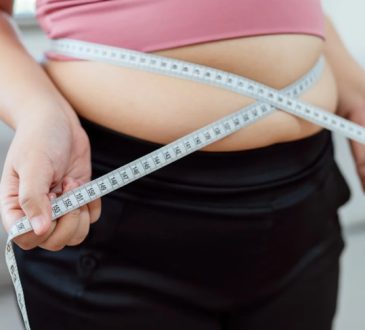
Weight Loss Clinic vs Bariatric Surgery: Discover the safest, most effective option for lasting results and better health today.
Choosing between a weight loss clinic and bariatric surgery depends on your goals, health, and weight loss needs. Clinics offer non-surgical, flexible programs, while surgery provides faster, long-term results for severe obesity. The best option is one that aligns with your medical condition, lifestyle, and commitment level.
Ever wondered why some people lose weight with simple medical programs while others need surgery to see real results?
The truth is, both weight loss clinics and bariatric surgery can be effective-but they serve very different needs. If you’re dealing with mild to moderate weight issues, a clinic may be enough. But if obesity is severe or health risks are high, surgery might offer the life-changing solution you need.
Let’s break it all down so you can make a confident, informed choice.
🤔 What Is A Weight Loss Clinic?
A weight loss clinic is a medical facility that helps people lose weight through supervised programs. These programs focus on lifestyle changes, nutrition, and sometimes medications. The goal is gradual, sustainable weight loss without surgery.
Most clinics offer personalized plans based on your body type, health history, and goals. You’ll often work with doctors, dietitians, and fitness experts. This team approach helps improve success rates while keeping things safe.
These clinics are ideal for people who want structure and accountability. You don’t just get advice-you get ongoing support. That makes it easier to stick to your plan over time.
🏥 What Is Bariatric Surgery?
Bariatric surgery is a medical procedure designed to help people lose significant weight. It works by changing how your stomach and digestive system function. This limits how much you can eat and how your body absorbs nutrients.
Common types include gastric bypass and sleeve gastrectomy. These procedures can lead to rapid weight loss, especially in the first year. Many patients also see improvements in conditions like diabetes and high blood pressure.
However, surgery is not a quick fix. It requires lifelong changes in diet and lifestyle. Without commitment, results may not last.
Before diving deeper, it’s important to understand how modern options like medical programs and medications are changing the weight loss landscape.
A weight loss clinic often provides access to advanced treatments, including prescription medications that support appetite control. Many people searching for glp1 near me are actually looking for these newer therapies. These medications can mimic hormones that regulate hunger, helping you feel full longer.
If you’ve been struggling to lose weight through diet alone, these options can be game-changing. Clinics now combine medication, coaching, and nutrition plans for better outcomes. This makes them a strong alternative for those not ready for surgery.
⚖️ Key Differences At A Glance
Here’s a simple breakdown to compare both options side by side:
|
Feature |
Weight Loss Clinic |
Bariatric Surgery |
|---|---|---|
|
Approach |
Non-surgical |
Surgical |
|
Weight Loss Speed |
Gradual |
Rapid |
|
Risk Level |
Low |
Moderate to High |
|
Cost |
Lower |
Higher |
|
Recovery Time |
None |
Weeks to Months |
This table highlights the main contrast. Clinics are safer and slower, while surgery is faster but riskier.
🎯 Who Should Choose A Weight Loss Clinic?
A weight loss clinic is best for people who:
- Have mild to moderate weight issues
- Prefer non-invasive treatments
- Want structured guidance
- Are not ready for surgery
These programs are especially useful if you’ve struggled with diets before. The medical supervision adds a layer of accountability that many people need.
You also get flexibility. Plans can be adjusted as your progress changes. That makes clinics a practical choice for long-term weight management.
💉 Who Should Consider Bariatric Surgery?
Bariatric surgery is typically recommended for:
- People with a BMI over 40
- Those with obesity-related conditions
- Individuals who failed other methods
Doctors often suggest surgery when health risks become serious. Conditions like sleep apnea, diabetes, and heart disease may improve after surgery.
Still, it’s not for everyone. You must be mentally and physically prepared for major changes.
🧠 How Do They Work Differently?
Weight loss clinics focus on behavior change. They help you eat better, move more, and build healthy habits. Some also include medications that reduce hunger.
Bariatric surgery works physically. It changes your stomach size and digestion. This forces you to eat less and absorb fewer calories.
Both methods aim for weight loss, but their approach is very different. One trains your habits, while the other alters your body.
💊 Role Of Medications In Clinics
Many clinics now use medications like GLP-1 agonists. These drugs help control appetite and improve blood sugar levels. They are especially helpful for people who struggle with cravings.
Benefits of these medications include:
- Reduced hunger
- Better portion control
- Improved metabolism
However, they must be used under medical supervision. Side effects can occur if not managed properly.
⚠️ Risks And Safety Comparison
Every treatment has risks. Clinics are generally safer because they avoid surgery. Side effects are usually mild and manageable.
Surgery carries higher risks, such as:
- Infection
- Nutrient deficiencies
- Surgical complications
|
Risk Factor |
Clinic |
Surgery |
|---|---|---|
|
Infection |
Rare |
Possible |
|
Side Effects |
Mild |
Moderate |
|
Long-Term Issues |
Low |
Higher |
Understanding these risks helps you make a safer choice.
💰 Cost Comparison And Affordability
Cost is a major factor for many people. Weight loss clinics are usually more affordable. You pay for consultations, programs, and medications.
Bariatric surgery is expensive. It includes hospital fees, surgeon costs, and follow-up care. Insurance may cover some expenses, but not always.
If budget is a concern, clinics are often the better starting point.
⏱️ Recovery And Lifestyle Changes
With clinics, there’s no recovery time. You can continue your daily routine while following your plan.
Surgery requires recovery. You may need weeks to heal. During this time, your diet will be very limited.
Lifestyle changes are required for both options. But surgery demands stricter adherence.
📊 Long-Term Results And Success Rates
Both methods can lead to lasting weight loss. The key difference is sustainability.
Clinics rely on habit-building. If you stick to the plan, results can last for years. Surgery offers faster results, but maintaining them requires discipline.
|
Factor |
Clinic |
Surgery |
|---|---|---|
|
Sustainability |
High |
Moderate |
|
Speed |
Slow |
Fast |
|
Maintenance |
Easier |
Strict |
Consistency matters more than the method you choose.
🧑⚕️ Medical Supervision And Support
Weight loss clinics provide ongoing support. You’ll have regular check-ins with professionals. This helps track progress and adjust plans.
Surgery also includes follow-ups, but less frequent. Most of the responsibility shifts to you after recovery.
Support systems play a huge role in success. Clinics often provide more consistent guidance.
🧩 Personalization Of Treatment Plans
Clinics offer highly personalized plans. Your diet, exercise, and medications are tailored to you.
Surgery is less flexible. Once done, the procedure cannot be reversed easily. Your body must adapt to the changes.
If you value customization, clinics have the advantage.
🔄 Reversibility And Flexibility
One major benefit of clinics is flexibility. You can change or stop your plan anytime.
Surgery is permanent in most cases. Reversing it is complex and risky.
This makes clinics a safer option for those unsure about long-term commitment.
❤️ Impact On Overall Health
Both options improve health, but in different ways. Clinics focus on gradual improvement. This includes better eating habits and increased activity.
Surgery can quickly reduce health risks. Many patients see immediate improvements in conditions like diabetes.
The best choice depends on how urgent your health needs are.
🧭 How To Decide What’s Right For You
Choosing the right option depends on several factors:
- Your current weight and BMI
- Existing health conditions
- Budget and insurance
- Willingness to commit
Ask yourself what feels sustainable. Fast results are great, but long-term success matters more.
“The best weight loss plan is the one you can stick to.“
🏁 Final Thoughts: Making The Right Choice
Both weight loss clinics and bariatric surgery can change your life. The right choice depends on your needs, health, and goals. Clinics offer a safer, flexible path, while surgery provides faster, dramatic results.
Take time to evaluate your options. Speak with a healthcare professional. Your journey is personal, and the best solution is the one that fits your life.
❓ FAQs
1. Which is safer for weight loss long term?
Weight loss clinics are generally safer long term. They avoid surgery and focus on lifestyle changes. This reduces complications and promotes sustainable habits.
2. Can I switch from clinic to surgery later?
Yes, many people start with clinics and move to surgery later. This depends on results and medical advice. It’s a common step if progress is limited.
3. How fast is weight loss with surgery?
Weight loss after surgery is rapid. Most patients lose significant weight within 6-12 months. Results vary based on lifestyle and adherence.
4. Are GLP-1 drugs effective for weight loss?
Yes, GLP-1 medications are effective for many people. They help control appetite and improve metabolism. They work best when combined with lifestyle changes.
5. Do clinics offer personalized weight plans?
Yes, most clinics create personalized plans. These include diet, exercise, and sometimes medication. The goal is to match your unique needs and goals.