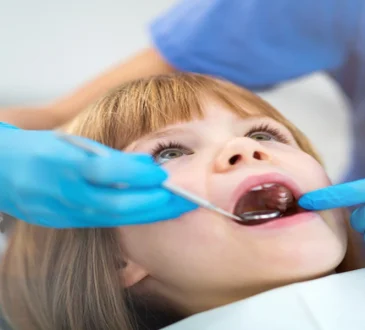
You can feel the tension before the appointment even starts. Your child is already uneasy, you are trying to stay calm, and a simple cleaning or treatment suddenly feels much bigger because one question keeps hanging there. What happens if your child feels pain, panic, or pressure and does not know how to say it in time? supporting children’s oral health in Queen Creek.
That fear is common, especially with younger children, kids with sensory sensitivities, or any child who has had a rough medical visit before. The goal is not to make them “tough it out.” The goal is to give them a clear, easy way to communicate during care so they feel safer and the pediatric dentist can respond fast. Helping a child communicate pain at the dentist often comes down to a few simple signals, some practice at home, and a dental team that takes behavior guidance seriously.
Children do better during dental care when they know how to pause the procedure
A child who feels trapped is more likely to cry, pull away, or shut down. Once that happens, even a short visit can become exhausting for everyone. The stress is not just emotional. It can also make treatment harder to complete and may lead to more fear at the next visit.
That is why preplanned signals matter. A child does not need a big speech in the dental chair. They need one action they can remember under stress. Raising a hand, tapping twice, holding a small signal card, or agreeing on a simple word like “stop” can work well. The best signal is the one your child can do without thinking.
The American Academy of Pediatric Dentistry’s behavior guidance recommendations support communication techniques that build trust, reduce fear, and match the child’s developmental level. That means a good plan is not one size fits all. A hand raise may be perfect for one child, while another may need visual cues or a rehearsed countdown.
The four most useful ways to help a child signal discomfort during a dental procedure
1. Use a simple stop signal. Pick one physical action, usually raising a hand. Tell your child, “If you need a break, raise your hand and the dentist stops.” Keep the wording short. Then tell the dental team the signal before the procedure begins so everyone responds the same way.
2. Practice the signal at home. Children rarely use a new coping skill well under stress unless they have tried it before. Pretend to count teeth with a toothbrush or have your child lie back on the couch and rehearse the hand raise. If they are very young, turn it into a game. The point is muscle memory.
3. Give them a second option if they freeze. Some children become so overwhelmed that they stop talking or moving. In that case, agree on another cue such as tapping the armrest, squeezing a parent’s hand, or holding up a colored card. Ways for kids to show discomfort at the dentist should account for what your child does when they are scared, not just what they do when calm.
4. Ask for tell-show-do communication. Many pediatric dentists use this approach already. The provider explains what will happen, shows the instrument in a nonthreatening way, then does the step. That sequence lowers surprise, and surprise is often what pushes a child from mild worry into distress. MedlinePlus also notes that preparing children ahead of medical and dental care can reduce fear and improve cooperation, especially when the explanation matches the child’s age and understanding. You can read more at MedlinePlus guidance on preparing a child for medical procedures.
Comfort signals work best when the dental team plans for them before treatment starts
A signal only helps if the adults honor it. If your child raises a hand and nobody pauses, trust drops fast. Before the appointment, tell the office exactly what your child needs. You can say, “We are working on a hand raise for breaks. Please pause right away when they do it.” That one sentence can change the whole tone of the visit.
This matters even more if sedation is part of the plan. Sedation can be useful for some children, but communication and monitoring still matter. The AAPD guidance related to anesthesia and sedation services outlines standards around training, safety, and patient care. If sedation has been suggested, ask how your child can communicate discomfort before sedation begins, what level of responsiveness to expect, and how the team monitors distress during treatment.
| Approach | How It Helps | Best For | Possible Limitation |
|---|---|---|---|
| Raised hand | Clear, fast stop cue | School age children who can follow one step directions | May be forgotten during panic |
| Tap twice | Works when mouth is busy and talking is hard | Children who stay still but need a quiet signal | Can be missed if not planned with staff |
| Color card or visual cue | Useful for children who struggle to speak under stress | Younger children and some neurodivergent children | Requires setup before treatment |
| Safe word | Simple and direct | Older children who can verbalize clearly | Hard to use when instruments are in the mouth |
How to prepare for a child’s dental procedure with clear action steps
Choose one signal and keep it consistent. Do not give five options and hope your child remembers them. Pick one main signal and one backup. Tell the dentist, the assistant, and your child the exact same plan.
Rehearse the words they can use. Some children need a script as much as a gesture. Try, “I need a break,” “That hurts,” or “I am scared.” Short phrases are easier to recall. If your child is very young, even one word like “stop” is enough.
Write a note for the dental team before the visit. Include triggers, calming tools, sensory needs, and the agreed signal. This is especially helpful if your child has autism, ADHD, anxiety, or a past traumatic dental visit. A short note can prevent a long, hard appointment.
A pediatric dentist can make the visit feel safer and more manageable
The right support does not erase every fear, but it gives your child a way to be heard in the moment that matters. That alone can lower stress and help build better dental experiences over time. A child who knows they can stop the action is often more willing to start.
If you are planning an upcoming visit, ask the office how they handle comfort signals, behavior guidance, and breaks during treatment. A pediatric dentist who welcomes that conversation is already helping your child feel safer before they ever sit in the chair.