

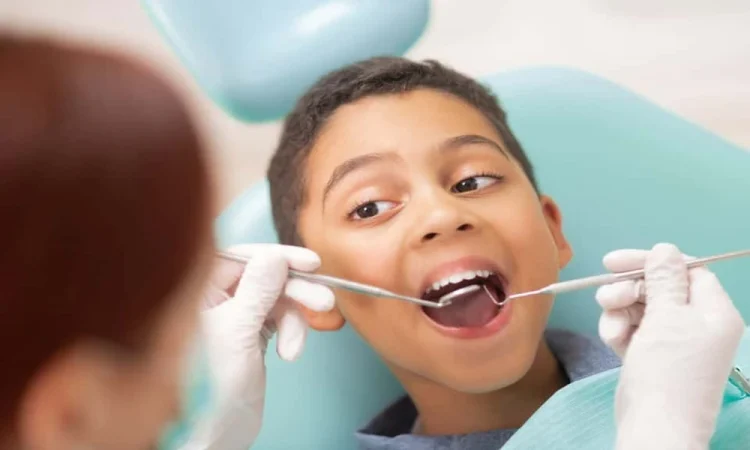
You notice it first at dinner or during toothbrushing. A baby tooth is loose, a new tooth is pushing through, and suddenly your child’s mouth seems to change every week. That stage can feel messy. Teeth come in crooked, gums look tender, brushing gets harder, and your child may not understand why something that used to feel simple now feels strange. You are not overreacting if this phase seems harder than you expected. If you are also thinking ahead about future dental care, including dental crowns for damaged teeth in North Attleborough MA, it can help to talk with your dentist about what changes are normal and what may need extra attention.
As adult teeth come in, children need more than reminders to brush. They need monitoring, guidance, and care that adjusts as their bite, spacing, and habits change. How Family Dentistry Supports Children As Permanent Teeth Arrive comes down to a few practical things. A family dentist tracks development, spots problems early, helps prevent decay, and gives you a clear plan so small issues do not turn into painful or expensive ones.
Permanent teeth change more than your child’s smile
The arrival of permanent teeth is not just a cosmetic milestone. It changes how your child bites, chews, cleans their teeth, and even speaks in some cases. Molars erupt farther back where children often miss with a toothbrush. Front teeth may come in before the baby teeth fully leave, which can look alarming even when it is common. You might see crowding, sensitivity, or gums that bleed more easily because brushing around new teeth feels uncomfortable.
That discomfort can lead to a pattern parents know well. Your child brushes less carefully because their mouth is sore, plaque builds up around erupting teeth, and now the risk of cavities rises right when stronger cleaning habits matter most. A family dentist helps break that cycle early. Regular visits give your child a safe place to have those changes checked, cleaned, and explained in a way they can handle.
This is where children’s dental care during adult tooth eruption becomes especially useful. Instead of waiting for pain, a dentist watches how teeth are emerging, whether the jaw has enough space, and whether your child’s habits are helping or hurting that process.
Family dentistry helps catch problems before they grow
Many dental concerns start quietly. A new molar can trap food before your child even realizes it is hard to reach. A baby tooth that stays too long can affect how a permanent tooth lines up. Thumb sucking, mouth breathing, or grinding can shape the bite over time. None of these changes usually start with a big dramatic symptom. They build slowly, which is why routine dental care matters so much in this stage.
A family dentist looks at timing, spacing, enamel health, gum condition, and bite development all at once. If your child has deep grooves in new molars, sealants may help protect those teeth from decay. If brushing is missing key areas, the dentist can show your child how to angle the brush around erupting teeth without making their gums hurt. If crowding is starting to show, you get an early heads up instead of a last minute surprise years later.
The CDC’s oral health tips for children support the same idea. Daily brushing with fluoride toothpaste, flossing, healthy eating, and regular dental visits work together to lower cavity risk as children grow. The American Academy of Pediatrics also shares guidance on children’s oral health, including the value of preventive care and age appropriate habits.
General and family dentist visits reduce stress for parents and kids
Children often do better when dental care feels familiar. Seeing a general and family dentist means your child can build trust with one office over time instead of starting over with each new stage. That matters when permanent teeth begin arriving and your child has more questions, more sensitivity, and sometimes more fear.
For parents, familiar care also means clearer follow through. You know who to call if a tooth erupts behind a baby tooth, if your child chips a new front tooth, or if pain starts near the back molars. You are not left sorting out whether something is normal or urgent on your own.
This kind of support often makes family routines easier too. When a dentist explains what is happening in plain language, children are more likely to accept brushing changes, flossing help, or a shorter list of sticky snacks after school. Advice lands better when it matches what your child is going through right now.
Home care and professional family dental care work best together
| Concern | Home Care | Family Dental Care |
|---|---|---|
| New molars are hard to clean | Brush twice a day with fluoride toothpaste and help your child reach back teeth | Professional cleaning removes buildup and the dentist checks if sealants would help |
| Teeth are coming in crooked or crowded | Watch for changes and note any chewing or brushing trouble | Monitoring bite development can identify spacing issues early |
| Gums are sore around erupting teeth | Use a soft toothbrush and keep brushing gently instead of stopping | The dentist can confirm what is normal and rule out infection or decay |
| Child resists brushing during this stage | Short supervised brushing sessions and simple routines help | Coaching from a trusted dentist often improves cooperation |
Parents sometimes hope this stage will sort itself out if they just wait long enough. Sometimes it does. Sometimes a small issue keeps building in the background. That is the real value of family dentistry for kids. It gives you a clearer picture of what is normal, what needs watching, and what should be treated now.
Three steps you can take right away
Check the brushing routine. Watch your child brush for a few nights. New permanent teeth, especially molars, are often missed. If brushing looks rushed or painful, switch to a soft brush and guide them toward the gumline and back teeth.
Pay attention to timing and spacing. If a permanent tooth is erupting behind a baby tooth, if one side seems delayed, or if your child avoids chewing because of pain, make a note. Patterns matter more than one odd day.
Schedule regular dental visits during this transition. This is not just for cleanings. It gives your child support while adult teeth come in and gives you a plan based on how their mouth is actually developing.
Your child does not need a perfect smile overnight. They need steady care while their mouth changes fast. With the right support, this stage becomes much less confusing and much easier to manage. If your child’s permanent teeth are arriving and you want guidance that fits their age and development, schedule a visit with a general and family dentist.

