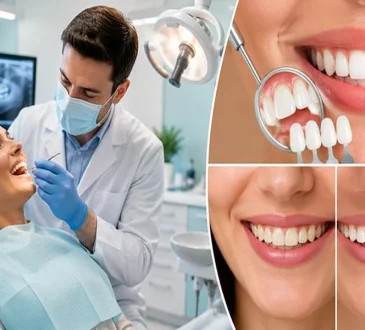
You want your smile to look better, but you may not want a long appointment, shots, drilling, or the feeling that healthy tooth structure has to be removed just to make a cosmetic change. That hesitation is common, especially in a family setting where one person wants whitening, another needs a chipped tooth fixed, and someone else is nervous about any dental work at all. The rise of minimal prep options in family cosmetic offices makes sense for a simple reason, and a Hemet dentist may help patients explore treatments that feel approachable. People want results that feel conservative, practical, and easier to fit into real life.
Minimal preparation cosmetic dentistry appeals to patients who want to improve shape, color, or minor alignment issues without committing to aggressive treatment. In many cases, these options preserve more natural enamel, reduce recovery time, and make cosmetic care feel less intimidating. That does not mean every case is simple or that every treatment is right for every smile. It means more families are asking for cosmetic solutions that respect both appearance and long term tooth health.
Minimal prep cosmetic options match what families actually want
Most people are not looking for a dramatic makeover that turns into weeks of appointments. They are looking at one front tooth with a chip, teeth that look worn in photos, or stains that do not lift with store bought products. They want improvement, not upheaval. That is one reason conservative cosmetic dental treatments have become more common in a family cosmetic office.
Minimal prep treatments often include options like no prep or low prep veneers, enamel reshaping in select cases, bonding, and whitening. These approaches can work well when the issue is small to moderate and the underlying teeth are healthy. If the concern is deeper, such as major bite problems, heavy wear, or large failing restorations, a more involved plan may still be the better choice. The appeal comes from having a middle ground. You do not have to jump from doing nothing to doing everything.
That middle ground matters emotionally too. A parent may finally book a consultation after putting off cosmetic care for years because the idea of preserving natural tooth structure feels safer. A teenager with a small chip may be more open to bonding than to a more invasive restoration. A working adult may choose a treatment that can be completed quickly and with less sensitivity because time off is hard to manage.
Preserving enamel is a major reason these treatments feel safer
Natural enamel does not grow back. That fact shapes a lot of modern cosmetic decision making. The more a treatment can improve appearance while keeping healthy enamel in place, the more comfortable many patients feel moving forward. That is not just about fear. It is about long term planning.
According to the CDC’s oral health resources, oral health is tied to overall health and quality of life. People are paying closer attention to prevention and preservation, and that mindset carries into cosmetic dentistry. If a bonding procedure can smooth a chipped edge without removing much tooth structure, many patients see that as a smart first step.
This is also where a skilled general and cosmetic dentist becomes important. Minimal prep dentistry is not shorthand for cutting corners. It requires careful case selection, good bite analysis, and an honest conversation about limits. A small correction can look beautiful when the foundation is right. The same treatment can fail early if the issue was larger than it appeared or if habits like grinding were ignored.
Lower stress and simpler appointments make cosmetic care more accessible
Dental anxiety rarely shows up as panic alone. It often looks like delay. You keep meaning to call, then months pass because you are busy, the kids need appointments first, or you assume cosmetic work means pain and expense. Minimal prep options lower that mental barrier. Less drilling, fewer injections in some cases, and shorter visits can make treatment feel manageable.
Cost plays a role as well. Families often compare cosmetic care against school expenses, groceries, sports fees, and routine dental needs. A patient may be open to bonding or whitening now, while full coverage restorations feel out of reach or simply unnecessary. That does not mean minimal prep care is always cheap. It means it can offer a more flexible entry point for people who want meaningful improvement without overcommitting.
Research from the National Institute of Dental and Craniofacial Research report on oral health in America reflects a broader shift toward prevention, access, and treatment planning that supports long term oral function. That same shift helps explain why minimal prep options in family cosmetic offices continue to gain attention. Patients want care that solves the present concern without creating avoidable future problems.
Comparing minimal prep and traditional cosmetic treatment helps clarify the choice
| Consideration | Minimal Prep Options | Traditional Cosmetic Treatment |
|---|---|---|
| Tooth structure removal | Usually limited when case selection is appropriate | Often requires more enamel reduction |
| Comfort during treatment | Often less invasive, sometimes little to no anesthesia | May involve more drilling and numbing |
| Best for | Minor chips, small gaps, discoloration, slight shape concerns | Major shape changes, severe discoloration, larger structural issues |
| Appointment time | Often shorter or fewer visits | May require more planning and longer appointments |
| Long term planning | Conservative starting point, may need maintenance | Can be more durable in complex cases, but is less conservative |
The right choice depends on what your teeth need, not just what sounds easier. A small cosmetic flaw may respond beautifully to bonding. A tooth with heavy wear, deep staining, or old damage may need something stronger and more structured. Good treatment planning keeps appearance and durability in balance.
Three steps help you decide if minimal prep dentistry fits your goals
1. Identify what actually bothers you. Be specific. Is it one chipped tooth, uneven edges, surface stains, or spaces that show in photos? When you can point to the exact issue, your dentist can match it to the least invasive option that still gives a stable result.
2. Ask how much natural tooth structure will be changed. This question cuts through a lot of confusion. If a treatment requires little or no enamel removal, that may align better with your comfort level. If more preparation is needed, you deserve a clear explanation of why.
3. Think beyond the first appointment. Ask about maintenance, stain resistance, repairs, and whether grinding or bite pressure could shorten the life of the result. Cosmetic dentistry is not just about the reveal. It is about how your smile holds up six months and six years later.
Minimal prep dentistry works best when it is thoughtful, not rushed
A more natural looking smile does not have to come from aggressive treatment. For many families, the popularity of minimal prep options comes down to comfort, enamel preservation, flexible cost, and the relief of knowing there may be a simpler path forward. If you have been putting off care because you assumed cosmetic treatment had to be extreme, a consultation with a general and cosmetic dentist can give you a clearer picture of what is possible and what is not.
You do not need to commit to the biggest treatment plan just to make a small change that matters to you. Take the next step and schedule a visit to discuss which cosmetic options fit your smile, your health, and your daily life.