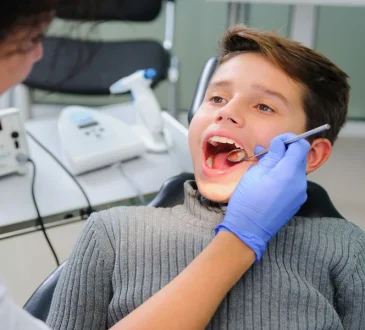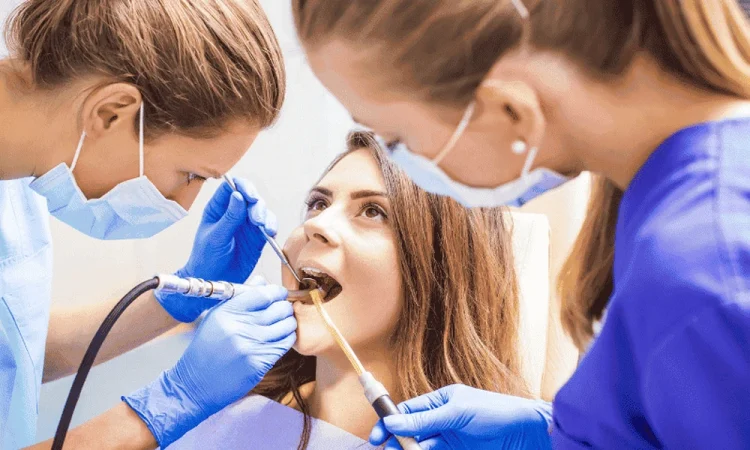
You might be feeling shaken, especially if a fall, sports hit, or accident changed your tooth in a matter of seconds. One moment everything felt normal, and the next you were dealing with pain, swelling, bleeding, or a tooth that suddenly looked out of place. That kind of change can be hard to process, because dental injuries affect more than your smile. They affect how you eat, speak, and even how safe you feel. The short version is this: How Endodontics Treats Dental Trauma And Injuries often comes down to saving the inside of the tooth, easing pain, and giving the tooth its best chance to heal and stay in place. If you need prompt evaluation, an endodontist in Bolingbrook, IL can help assess the damage and recommend the right treatment.
When a tooth is cracked, pushed loose, or knocked partly out, the damage is not always obvious from the outside. The pulp inside the tooth, which contains nerves and blood vessels, may be bruised, inflamed, or infected after the injury. Because of that, treatment is not just about what you can see in the mirror. It is about protecting the living tissue inside the tooth before the problem grows worse.
What Happens Inside The Tooth After Dental Trauma?
After an injury, some teeth recover with monitoring, while others need fast care from an endodontist. An endodontist focuses on the inside of the tooth, which matters when trauma disrupts the pulp or the root. If the blood supply to the pulp is cut off, the tissue can die, and that can lead to infection, color changes, pressure, and bone loss around the root.
So, where does that leave you? It means the same type of accident can lead to very different outcomes. A chipped tooth may need a simple repair, but a tooth that is loose, displaced, or painful to bite on may need pulp testing, imaging, and close follow up. According to this overview of traumatic dental injuries, quick evaluation matters because trauma can affect enamel, dentin, pulp, root structure, and surrounding bone.
This is where dental trauma treatment becomes more precise. Endodontic care may involve checking whether the pulp is still healthy, stabilizing the tooth, performing root canal treatment if the pulp cannot recover, or managing root fractures and resorption over time. In children and teens, the stage of root development also matters, because younger teeth may have a better chance of continued growth if treated early.
Why Would An Injured Tooth Need An Endodontist?
It is a fair question. Not every dental injury needs root canal care, but many serious ones need the judgment of a specialist who knows how trauma changes the tooth from the inside out. If a tooth was hit hard enough to become dark, sensitive, loose, or painful days later, the pulp may be in trouble even if the surface looks mostly intact.
Think about a common scenario. A child gets hit in the mouth during a game and the front tooth looks fine except for a small chip. Everyone relaxes. Then a few weeks later, the tooth turns gray and starts to ache. That delayed change can be a sign that the pulp was damaged at the time of impact. In cases like that, seeing an endodontist can help preserve the tooth and prevent infection from spreading.
The AAPD dental trauma guidelines show how treatment decisions depend on the type of injury, the age of the patient, and whether the tooth is primary or permanent. That is why follow up matters so much. Trauma is not always a one visit problem.
How Does Endodontic Care Compare To Waiting It Out?
When you are sore, worried, and trying to keep life moving, it is tempting to wait and see. Sometimes observation is appropriate, but waiting without an exam can allow hidden damage to progress. A comparison can make that clearer.
| Situation | Watching Without Prompt Evaluation | Prompt Endodontic Assessment |
|---|---|---|
| Small chip after impact | May miss pulp injury if pain or color change appears later | Baseline exam and testing help track healing and catch delayed problems |
| Tooth feels loose or out of position | Risk of worsening damage to ligament, root, or pulp | Tooth can be repositioned, stabilized, and monitored for pulp survival |
| Tooth becomes dark after injury | Dead pulp and infection may develop quietly | Specialist can determine if root canal treatment is needed to save the tooth |
| Severe pain days after trauma | Inflammation or infection may spread to bone | Targeted care can relieve pain and protect surrounding tissue |
This is the heart of endodontic treatment for tooth injuries. It is not only about reacting to pain. It is about giving the tooth a fair chance before deeper damage sets in. If you want a sense of how specialist care fits into academic and clinical practice, the University of Pennsylvania Department of Endodontics offers a helpful look at the role of endodontic specialists.
What Can You Do Right Now If A Tooth Has Been Injured?
If you are dealing with a recent injury, simple next steps can make a real difference.
1. Get the tooth evaluated quickly. Even if the injury seems minor, a prompt dental exam helps identify cracks, displacement, pulp damage, and root injury. If a permanent tooth has been knocked out, time matters even more.
2. Protect the area and avoid extra stress. Eat soft foods, avoid chewing on the injured side, and follow any advice you were given about splints or follow up visits. A tooth that has been traumatized often needs rest while the surrounding tissues settle.
3. Watch for delayed changes. Pain, swelling, a pimple on the gum, darkening of the tooth, or increased sensitivity can show up later. That does not mean you did something wrong. It means the tooth is telling you more about the injury, and endodontics for dental injuries may be needed to protect it.
Can A Traumatized Tooth Really Be Saved?
In many cases, yes. That is often the most reassuring part of all this. Teeth that look alarming at first can sometimes be stabilized and preserved for years with the right care. The key is timing, diagnosis, and follow through. Trauma care is rarely one and done. It often includes checkups over time to make sure the pulp, root, and bone are healing the way they should.
If you are worried about what comes next, that makes sense. Dental injuries can feel sudden and personal, and the uncertainty can be harder than the first impact. Still, getting the right evaluation gives you clarity, and clarity helps you move from panic to a plan. If a tooth has been injured, seek prompt care from an endodontist and ask what the tooth needs now, what signs to watch for, and what follow up will protect your long term oral health.