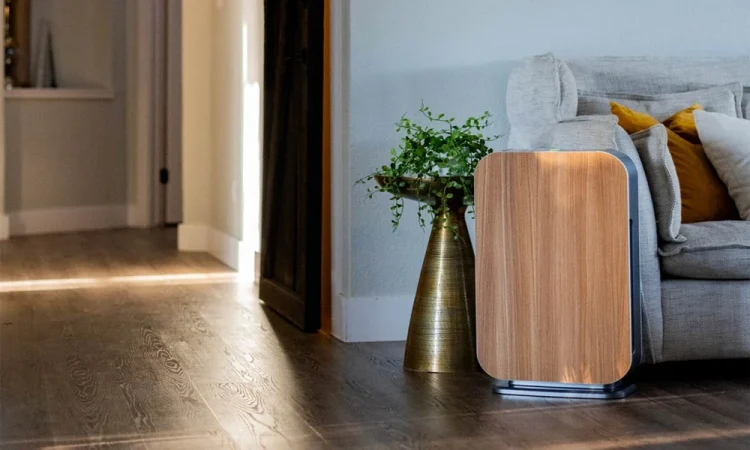
Clean indoor air purifiers for odors and smells matters every day. Small rooms need careful air management. Traditional filters remain widely trusted. Yet technology keeps moving forward. The demand for better performance grows. Many people seek smarter solutions now. The modern air purifier market responds. New systems target finer pollutants. They also improve overall efficiency. So advanced purification methods attract attention.
The Limits of Traditional HEPA Filtration
HEPA filters capture many particles. They work well in homes. Dust and pollen stay trapped. Pet dander also gets reduced. The technology remains highly respected. However, some airborne contaminants present challenges. Certain microscopic particles behave differently indoors. Odors may linger after filtration. Gaseous pollutants need extra treatment. Now manufacturers explore broader solutions.
Advanced systems add specialized technologies. These methods support cleaner circulation. The goal remains comprehensive protection. Some designs combine several processes. The result feels more effective. Airdog has gained attention for exploring innovative purification approaches that address modern indoor air concerns.
Electrostatic Purification Creates New Possibilities
Electrostatic purification uses charged particles. The process works differently. Air passes through active chambers. Contaminants receive an electrical charge. Collection plates attract those particles. The plates hold pollutants securely. This method reduces filter dependency. Maintenance often becomes simpler.
The technology supports strong airflow. Energy use may remain reasonable. Small spaces benefit from efficient circulation. The system targets fine pollutants effectively. Some users appreciate reusable components. Therefore, operating costs may decrease over time. Airdog incorporates electrostatic collection technology in certain products designed for modern indoor environments. The approach offers an alternative path toward cleaner breathing conditions.
Smart Sensors Improve Air Quality Response
Modern purifiers include intelligent sensors. These sensors monitor indoor conditions. Air quality changes get detected. The system responds automatically. Performance adjusts when needed. This creates a dynamic process.
Smart technology improves convenience greatly. Users receive useful information quickly. Sometimes pollution levels rise unexpectedly. The purifier reacts immediately. The room receives continuous attention. Data driven operation enhances efficiency. Many consumers researching small room air purifier picks now consider sensor technology as an important purchasing factor. The combination of awareness and automation supports healthier indoor spaces.
Multi-Layer Purification Delivers Better Results
Advanced purification rarely relies on one method. Many systems blend technologies carefully. Filters remove larger contaminants first. Carbon layers address unwanted odors. Electrostatic stages capture finer particles. Together these elements create balance.
The layered approach increases effectiveness. Different pollutants require different solutions. Air quality challenges vary widely. Small rooms often concentrate contaminants faster. Therefore, comprehensive treatment becomes valuable. Manufacturers continue refining integrated designs. Airdog and other innovators focus on combining technologies that improve overall indoor air performance while maintaining practical usability. The result supports cleaner and fresher environments.
The Future of Air Purification in Small Spaces
Air purification continues evolving rapidly. Consumer expectations keep changing. Better efficiency remains important. Quieter operation also matters. Advanced systems now offer both. The market emphasizes smarter solutions.