Maintaining overall wellbeing involves understanding how different body systems function and how everyday lifestyle choices influence health. The lymphatic system, for example, plays an important role in fluid balance and immune function. It consists of a network of vessels, lymph nodes, and organs that help transport lymph fluid throughout the body.
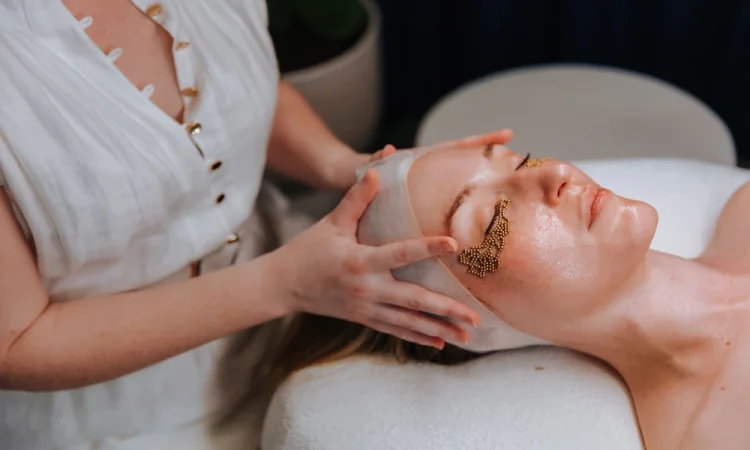
As interest in complementary wellness approaches grows, some individuals are exploring treatments designed to support relaxation and encourage awareness of lymphatic health. Electro lymphatic therapy is one such approach, combining specialised equipment with techniques intended to stimulate lymphatic circulation.
Although its proposed benefits should be considered carefully, learning about the procedure can help individuals decide whether it aligns with their personal wellness interests. Understanding how electro lymphatic treatment works and what to expect during an ELT therapy session may also help individuals make informed decisions.
Here are several reasons people may consider exploring these complementary approaches, including electro lymphatic wellness therapy.
1. Learn More About Your Lymphatic System
One reason to explore this wellness approach is the opportunity to learn more about the lymphatic system and its role in maintaining normal bodily functions.
The lymphatic system helps collect excess fluid from body tissues and returns it to the bloodstream. It also transports certain immune cells and supports the body’s defence mechanisms.
Understanding how this system works can encourage individuals to become more mindful of their general health and lifestyle habits. During an introductory consultation, individuals may learn about lymphatic circulation, the importance of movement, and everyday practices that support normal fluid balance.
2. Explore a Non-Invasive Wellness Approach
Some individuals prefer wellness services that do not involve surgical procedures or injections. Electro lymphatic therapy is generally promoted as a non-invasive approach involving specialised equipment applied externally to the body.
Depending on the provider’s technique, the practitioner may use a handheld device to deliver gentle electrical stimulation or other forms of energy to selected areas. The procedure is typically presented as a way to encourage lymphatic movement without invasive intervention.
However, individuals should ask about the equipment, operating procedures, and available safety information before participating. Evidence supporting its effectiveness for improving lymphatic function remains limited, and it should not be confused with established medical treatments for lymphatic conditions.
3. Understand the Importance of Fluid Balance
Fluid balance is essential for maintaining normal bodily functions. The lymphatic system contributes to this process by collecting excess fluid from tissues and returning it to circulation.
When lymphatic drainage is impaired, fluid can accumulate in certain areas and cause swelling. This condition is known as lymphoedema and may require specialised medical management. Exploring lymphatic wellness services can provide an opportunity to learn about the importance of maintaining healthy circulation and recognising changes in the body.
However, persistent swelling should never be addressed through complementary wellness treatments alone. A qualified healthcare professional should assess the underlying cause and recommend appropriate care.
4. Discover More About Complementary Wellness Practices
Another reason individuals explore this approach is to learn about different complementary wellness practices.
People have varying interests when it comes to maintaining their wellbeing. Some prefer exercise and nutrition-focused programmes, while others explore relaxation techniques, massage, or specialised wellness services.
Electro lymphatic therapy is offered by some wellness facilities as part of a broader approach to personal wellbeing. Learning about the procedure allows individuals to compare different services, understand their intended purposes, and determine whether they feel comfortable with the techniques involved.
It is important to distinguish between wellness claims and scientifically established health benefits when evaluating any complementary approach.
5. Encourage Greater Awareness of Healthy Lifestyle Habits
Lymphatic health is influenced by everyday activities. Regular movement, balanced nutrition, and adequate hydration contribute to general health and support the body’s normal physiological processes.
For example, muscle contractions during physical activity help move lymph fluid through the lymphatic vessels. Activities such as walking, swimming, and gentle stretching can therefore form part of a healthy routine.
Individuals interested in lymphatic wellness may also benefit from learning about practical lifestyle habits, including:
- Drinking sufficient water throughout the day.
- Incorporating regular physical activity.
- Eating a varied and balanced diet.
- Avoiding prolonged periods of inactivity.
- Maintaining a healthy and consistent sleep schedule.
These habits provide a foundation for supporting overall wellbeing, regardless of whether someone chooses to explore additional wellness services.
Conclusion
Learning about the lymphatic system and exploring complementary wellness approaches can encourage greater awareness of personal health. From understanding fluid balance to discovering practical lifestyle habits, there are several reasons individuals may become interested in specialised lymphatic wellness services.
Electro lymphatic therapy is one option offered by certain wellness facilities, but its proposed benefits should be evaluated carefully because strong clinical evidence supporting its effectiveness is currently lacking.
Ultimately, informed decisions should be based on realistic expectations, appropriate professional guidance, and a commitment to evidence-based healthcare. Maintaining healthy daily habits and seeking medical advice when necessary remain essential parts of supporting long-term wellbeing.