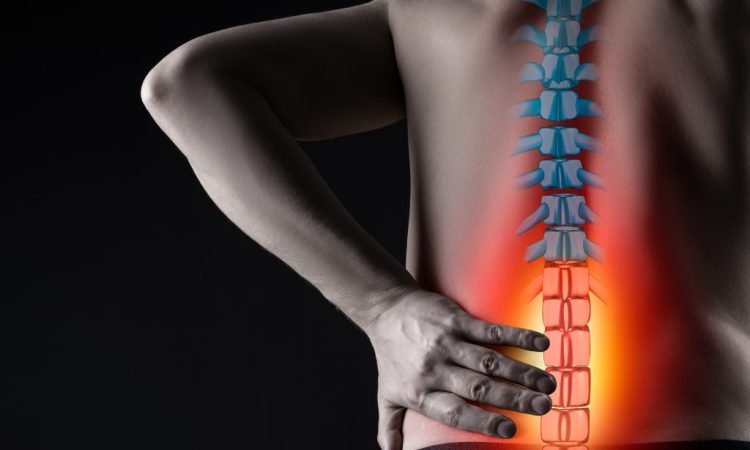
Sciatica is one of the most widely discussed forms of back-related pain, yet it is frequently misunderstood. Many people assume sciatica is a condition itself, when in reality, it is a symptom of underlying issues affecting the sciatic nerve—the largest nerve in the human body. Originating in the lower spine and running through the hips, glutes, and down each leg, the sciatic nerve serves as a major communication pathway between the spinal cord and lower extremities. When compressed or irritated, the result can be sharp, radiating pain that disrupts daily activity, sleep, and overall comfort.
While sciatica is common, the experience varies widely from person to person. For some, the pain is a dull ache that comes and goes. Others feel burning sensations, numbness, weakness, or electric-shock-like pain that limits mobility. Understanding what triggers sciatica and how to manage it holistically can help improve long-term comfort and reduce flare-ups.
What Causes Sciatica?
Sciatica typically develops when the sciatic nerve becomes compressed. Several structural and lifestyle factors contribute to this irritation.
The most common causes include:
- Herniated or bulging discs pressing against the nerve root
- Degenerative disc disease associated with aging or wear
- Piriformis syndrome, where the gluteal muscle irritates the nerve
- Spinal stenosis, narrowing of nerve passageways
- Muscle tightness and inflammation from prolonged sitting
- Poor posture and weak core support
- Injury or trauma to the lower back or hips
Understanding the cause is crucial because long-term relief depends on addressing the root—not just the symptoms.
Recognizing Sciatica Symptoms Early
Sciatica doesn’t always appear suddenly. Often there are subtle signs before the pain becomes severe.
Early symptoms may include:
- Tingling or numbness in the leg or foot
- Tightness in the glutes or hamstrings
- Lower-back stiffness when waking up
- Discomfort after sitting for long periods
- Shooting pain triggered by coughing or lifting
When ignored, mild symptoms can progress into persistent pain that interferes with work, sleep, and mobility.
Lifestyle Factors That Influence Sciatica
Many people develop or worsen sciatica due to daily habits without realizing it.
Contributing lifestyle patterns:
- Long hours of sitting without movement
- Weak abdominal and glute muscles
- Carrying heavy objects with poor form
- Sedentary work environments
- Sleeping on overly soft or unsupportive mattresses
Modern convenience has reduced natural movement, making proactive spinal care more important than ever.
How Movement Helps Reduce Sciatic Pain
Counterintuitively, rest is not the best solution for sciatica. Extended inactivity can increase stiffness, reduce circulation, and prolong recovery. Controlled movement strengthens surrounding muscles and improves nerve mobility.
Helpful movement-based approaches include:
- Walking to increase blood flow and reduce inflammation
- Gentle stretching for hamstrings, glutes, and hip flexors
- Core strengthening to support spinal stability
- Low-impact exercise, such as swimming or cycling
- Mobility routines to improve joint range
Consistency is key. Even 10–15 minutes of daily movement can significantly improve comfort.
Stretches Commonly Used for Sciatica Relief
Stretching helps relieve muscular tension that may be compressing the sciatic nerve.
Popular stretches often recommended for those experiencing sciatic discomfort:
- Knee-to-chest stretch for lumbar relief
- Piriformis stretch to reduce gluteal tightness
- Figure-four pose for hip opening
- Cat-cow stretch for spinal mobility
- Child’s pose to decompress the lower back
Stretching should be slow, controlled, and pain-free. Overstretching or forcing movement may worsen irritation, so listening to the body is essential.
The Role of Spinal Alignment in Sciatica
The sciatic nerve originates in the lower spine, so alignment plays a critical role in nerve comfort. When vertebrae shift even slightly due to posture imbalance or muscle tension, nerve roots may become irritated.
Signs alignment may be affecting sciatica:
- Pain worsens with sitting or standing still
- One leg feels tighter or weaker
- Hips appear uneven
- Frequent lower-back stiffness
- Visible posture imbalance
Correcting alignment can help restore proper nerve pathway space and reduce inflammation.
Additional Natural Relief Approaches
While every case varies, many people use natural methods to manage sciatic pain alongside medical or professional guidance.
Common supportive wellness practices:
- Ice or heat therapy for inflammation and tension
- Anti-inflammatory foods such as berries, greens, and omega-3s
- Magnesium-rich foods or supplementation for muscle relaxation
- Foam rolling to release tension in glutes and hamstrings
- Ergonomic workstations to reduce strain throughout the day
Holistic routines often yield the best results when practiced consistently.
Sleep Position Matters More Than Most Realize
Nighttime is when the body repairs, yet poor sleep posture can compress the spine and intensify morning symptoms.
Sleep tips to support lower-back comfort:
- Use a pillow between or under the knees
- Avoid sleeping in a curled, twisted position
- Try medium-firm mattresses that support natural curves
- Keep the spine aligned with a supportive pillow
Quality sleep improves recovery, nerve healing, and pain tolerance throughout the day.
When to Seek Professional Help
While many people manage sciatica independently, persistent symptoms may require professional evaluation—especially if pain radiates below the knee, interrupts sleep, or reduces strength in the leg. Treatment plans may include mobility exercises, chiropractic care, therapeutic massage, decompression techniques, or rehabilitation to address the underlying cause and promote long-term relief.
Those seeking conservative wellness approaches can learn more through resources like Atlas Chiropractic for information and supportive care options.
Conclusion
Sciatica can impact anyone—from active individuals to those who sit for long hours. While the pain can be disruptive, it is not something people are powerless against. By understanding what triggers sciatica, recognizing symptoms early, moving regularly, stretching muscles that support the lower back, aligning posture, and prioritizing sleep quality, individuals can take control of their comfort and mobility.
Healing is a journey, not an overnight event. With consistent self-care and awareness, most people can reduce flare-ups, improve joint function, and return to activities they enjoy. The road to relief starts with small, intentional steps and a commitment to long-term spinal health.