Erectile dysfunction affects millions of men worldwide. When blood vessels fail to work properly, men struggle to achieve or maintain erections. This vascular form of ED stems from poor blood flow to the penis. Traditional treatments like pills offer temporary relief but don’t fix the root problem.
A newer approach targets the actual blood vessels. Extracorporeal shock wave therapy uses sound waves to repair damaged tissue and encourage new blood vessel growth. This non-invasive treatment shows promise for men seeking lasting results.
Understanding Vascular ED
Blood flow is essential for normal erectile function. When a man becomes aroused, blood rushes into the penis through arteries. The blood fills spongy tissue, creating an erection. Problems arise when arteries become narrow or damaged.
Several factors harm blood vessels over time. High blood pressure damages artery walls. Diabetes affects small blood vessels throughout the body. Smoking reduces blood flow and damages vessel linings. High cholesterol causes plaque buildup that blocks arteries. These conditions often work together to cause vascular ED.
Many men with ED have underlying heart disease. The penis has smaller blood vessels than the heart. Damage appears there first. ED can serve as an early warning sign of serious cardiovascular problems.
How Shock Wave Treatment Works
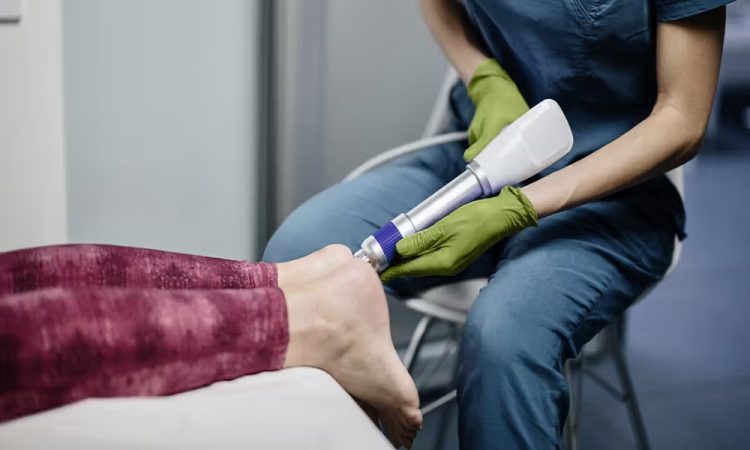
Extracorporeal shock therapy in Singapore and other locations delivers low-intensity sound waves to penile tissue. These acoustic pulses penetrate the skin without causing pain or requiring surgery. The waves trigger a healing response in blood vessels.
The Biological Response
Sound waves create tiny tears in blood vessel walls. This controlled injury signals the body to begin repairs. New blood vessels form through a process called angiogenesis. Existing vessels also expand and improve their function.
The treatment stimulates growth factors in tissue. These proteins encourage cell division and tissue regeneration. Blood flow increases as vessels multiply and widen. Better circulation means stronger, more reliable erections.
Treatment Protocol
Sessions typically last 15 to 20 minutes. Patients receive treatment once or twice weekly for several weeks. Most protocols involve six to twelve sessions total. The process causes minimal discomfort. Men can return to normal activities immediately after.
Results don’t appear overnight. New blood vessels need time to develop fully. Most men notice improvements within a few weeks. Benefits continue developing for up to three months after finishing treatment.
Clinical Evidence and Results
Research supports the effectiveness of extracorporeal shock wave therapy for vascular ED. Studies show improvements in erectile function scores. Many men regain the ability to have intercourse without medication.
Success rates vary based on ED severity. Men with mild to moderate ED respond better than those with severe cases. Younger patients with recent onset ED tend to see greater improvements. Those with diabetes or severe artery disease may experience modest gains.
The treatment works differently than pills. Medications help blood vessels relax temporarily. Shock wave therapy actually repairs damaged vessels and creates new ones. This addresses the underlying cause rather than masking symptoms.
Who Benefits Most
Men with vascular ED are ideal candidates. Those who don’t respond well to pills may find relief. Patients seeking alternatives to medication often explore this option. Men wanting to reduce their reliance on drugs can benefit.
Certain groups see better results. Younger men with good overall health respond well. Those whose ED developed recently have more success. Men willing to complete the full treatment course get optimal outcomes.
Considerations and Expectations
Extracorporeal shock therapy in Singapore offers a non-surgical approach to vascular ED. The treatment requires commitment to multiple sessions. Not everyone achieves complete recovery. Some men still need occasional medication support.
Side effects are rare and mild. Temporary redness or slight discomfort may occur. Serious complications are extremely uncommon. The safety profile makes shock wave therapy attractive for many patients.
Men considering extracorporeal shock therapy in Singapore should consult qualified specialists. A thorough evaluation determines suitability for treatment. Understanding realistic expectations helps patients make informed decisions about their care.