

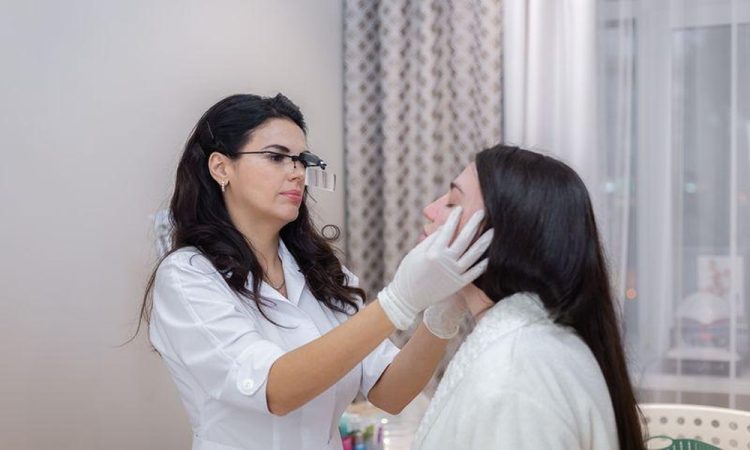
Key Takeaways
- A beauty facial is designed for maintenance and surface-level care, not structural or chronic skin concerns.
- Persistent issues such as acne, pigmentation, premature ageing, or sensitivity usually signal the need for more targeted intervention.
- Skin treatments in the city-state are typically problem-driven, using higher-grade technology or active ingredients under stricter protocols.
- Upgrading is less about price or trends and more about whether your current facial routine is still delivering measurable results.
A beauty facial is often the first professional step people take when addressing their skin. It cleanses, exfoliates, hydrates, and offers short-term improvements in texture and glow. However, many clients continue booking regular facials without realising that their skin concerns have plateaued. At that point, repetition does not equal progress. Knowing when to move from a beauty facial to advanced skin treatments in Singapore is critical for long-term skin health, cost efficiency, and realistic outcomes.
What a Beauty Facial Is Designed to Do
A beauty facial focuses on surface maintenance. It removes dead skin cells, clears pores, improves hydration, and supports basic skin renewal. These treatments work best when the skin barrier is intact, and the concern is mild or preventative in nature. A beauty facial remains relevant and effective for individuals with generally stable skin who want upkeep rather than correction.
The limitation is structural depth. Most facials do not penetrate deeply enough to influence pigment formation, collagen loss, persistent inflammation, or hormonal breakouts. Once the same concerns resurface weeks after each session, it is a signal that the treatment type is no longer aligned with the skin’s needs.
Signs Your Skin Has Outgrown Basic Facials
One clear indicator is stagnation. Maintenance care has reached its limit if you have been consistent with facials but see no improvement in acne frequency, pigmentation intensity, or skin texture over several months. Another sign is dependency on temporary glow. Skin that looks better for a few days but quickly reverts often requires more targeted intervention.
Recurring sensitivity, uneven tone that does not fade, and visible fine lines developing despite regular facials also suggest that surface-level care is insufficient. At this stage, continuing the same beauty facial may feel safe, but it delays effective treatment.
How Advanced Skin Treatments Differ in Approach
Advanced skin treatments are structured around diagnosis rather than routine. These treatments typically involve controlled exfoliation, energy-based devices, deeper infusion of actives, or clinical protocols that address the root cause of skin issues. The focus shifts from relaxation to correction, with clearer expectations around outcomes, downtime, and treatment cycles.
Unlike generic facials, advanced treatments are adjusted based on skin response. Progress is tracked, and protocols evolve as the skin changes. This approach is particularly important for concerns such as post-acne marks, melasma, enlarged pores, or early ageing, where surface cleansing alone cannot produce lasting change.
When Cost and Time Efficiency Become a Factor
Many people delay upgrading because advanced treatments appear more expensive. In reality, repeating ineffective facials can be more costly over time. Paying for monthly treatments that do not resolve the issue leads to higher cumulative spend with limited results.
Advanced skin treatments are often scheduled in structured intervals with defined goals. Once successful, they reduce the need for frequent appointments and excessive product use. The upgrade becomes a matter of efficiency rather than indulgence.
Why Skin Assessment Matters More Than Treatment Type
The decision to upgrade should never be based on trends or marketing claims. A proper skin assessment identifies whether the concern is superficial, inflammatory, hormonal, or structural. Even advanced treatments may underperform without this step.
Clinics that explain why a beauty facial is no longer suitable, rather than simply selling an upgrade, tend to deliver better outcomes. The shift should be logical, evidence-based, and aligned with your skin’s behaviour, not your tolerance for stronger treatments.
Conclusion
A beauty facial has a clear role in skin maintenance, but it is not a universal solution. Once results plateau, concerns persist, or skin changes with age and environment, upgrading becomes necessary rather than optional. Advanced skin treatments exist to address issues that facials cannot reach. The right time to upgrade is when maintenance no longer equals progress-and recognising that point prevents wasted time, money, and frustration.
Contact 21st Century Beauty Spa and let us determine whether advanced skin treatments are more suitable for your current skin concerns and long-term goals.


