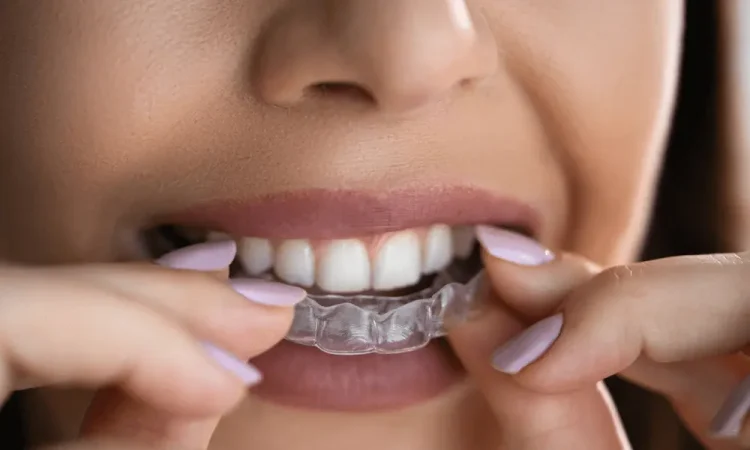
A straighter smile is within reach, but misinformation about Invisalign can cloud what should be an exciting decision. Patients often hear blanket statements about price, insurance, and eligibility that may not stand up to scrutiny. The truth? Invisalign’s cost and coverage are rarely as clear-cut as the rumors suggest. Here’s what you really need to know.
Why Invisalign Costs Vary More Than You Think
Expecting a standardized price tag for Invisalign is like asking for the cost of a “trip”, it depends entirely on where you’re starting, where you’re headed, and how you plan to get there.
Treatment Complexity and Duration
Mild crowding or spacing typically takes less time and fewer aligners, so the cost tends to be lower. Complex cases, such as significant bite issues or severe misalignment, call for more precise planning and a longer series of trays. This naturally increases both the treatment timeline and overall expense. The old myth that “everyone pays the same” ignores the unique needs of each patient.
Customization and Technology Factors
Each Invisalign plan is built from a digital scan of your mouth, tailored to track subtle dental movements at each stage. The technology powering those aligners, 3D scanning, digital modeling, and custom fabrication, adds value beyond what older, one-size-fits-all methods can offer. Enhanced features, such as smart attachments for specific tooth movements or remote treatment monitoring, may also affect the total investment.
Geographic and Provider Differences
Location matters. Prices in major metropolitan areas are often higher due to increased overhead, whereas suburban or smaller-city clinics may offer lower rates. There’s also individual variation between orthodontists and their expertise. Some providers extend courtesy discounts for advance payment or offer more flexible pricing, so it pays to ask.
Myth 1: Invisalign Is Always More Expensive Than Traditional Braces
The sticker price of Invisalign can appear daunting, but a side-by-side comparison reveals a more nuanced reality.
Comparing Total Treatment Costs
Traditional braces and Invisalign often fall within the same cost range, especially for similar levels of complexity. When you factor in fewer emergency visits (no wires or brackets to break) and shorter appointment times, Invisalign sometimes ends up costing the same, or even less, over the course of treatment.
| Treatment Type | Cost Range (CAD) | Typical Duration | Emergency Visits | Aesthetic Factor |
|————————-|——————|——————|——————|——————|
| Metal Braces | $3,000-$7,000 | 18-24 months | Higher | Low |
| Ceramic Braces | $4,000-$8,000 | 18-24 months | Moderate | Medium |
| Invisalign | $4,000-$8,000 | 12-24 months | Low | High |
Long-Term Value and Benefits
Invisalign offers nearly invisible aligners, removable trays for meals and brushing, and increased comfort. These qualitative benefits can save time, reduce social anxiety, and improve oral hygiene throughout treatment. When comparing value, not just price, Invisalign’s advantages become hard to ignore.
Myth 2: Insurance Never Covers Invisalign
Stories of denied claims run rampant, leading many to assume insurance is off the table. But the real situation is more promising.
Understanding Orthodontic Coverage in Dental Plans
If your insurance covers orthodontic work, there’s a good chance Invisalign is included. Many providers now treat Invisalign as equivalent to traditional braces, reimbursing a percentage of the cost up to a set lifetime maximum. The best way to know? Call your dental plan administrator and ask explicitly about clear aligner coverage.
How to Maximize Your Insurance Benefits
Clarify whether your plan covers only minors or also adults, and whether any waiting periods apply. Some clinics, including those in Montreal, will even help you submit paperwork or provide pre-authorizations, so take advantage of those resources. Documentation and pre-treatment estimates can help you avoid unexpected bills.
Myth 3: Payment Plans and Discounts Are Not Available
Assuming you’ll need to pay the entire sum upfront is a misconception that stops many from seeking treatment.
Common Payment Options Explained
Many orthodontists offer payment solutions to ease the burden. Common options include:
– Monthly installment plans that let you spread out costs
– Discounts for paying in full at the start, especially when using cash or check
– Flexible plans to align with employer-offered Flex Plans or Health Savings Accounts
These arrangements can make Invisalign accessible to a broader range of budgets.
Tips for Negotiating Discounts and Financing
Don’t be afraid to ask. Some practices provide courtesy discounts, especially for full payment or for families with multiple members seeking treatment. If you have good credit, third-party financing is also a possibility, spreading the cost over a year or more without heavy interest.
Myth 4: Invisalign Is Only for Teens or Young Adults
Instagram ads may focus on younger smiles, but the reality tells a different story.
Treatment Options for Adults and Seniors
Adults make up a growing share of Invisalign patients, reflecting both the flexibility of clear aligners and the fact that it’s never too late for healthy teeth. Even seniors can benefit, provided their oral health is stable and their gums are healthy.
Why Age Doesn’t Limit Invisalign Effectiveness
What matters most is the condition of your gums and supporting bone, not your birthdate. With advances in digital planning and customized tray design, aligners can address mild to moderate alignment issues at nearly any age, making Invisalign a versatile option well beyond the teenage years.
Myth 5: The Cost Is Fixed and Non-Negotiable
A single price tag doesn’t capture the reality of Invisalign pricing.
Factors That Influence Pricing Flexibility
Treatment scope, provider experience, and clinic location all play a part. Some clinics offer bundled pricing for straightforward cases and à la carte pricing for more involved needs. Others introduce promotional periods, family discounts, or additional services like teeth whitening included in the package.
When to Seek Multiple Consultations
Prices and approaches can vary from clinic to clinic. Booking free or low-cost consultations with a few providers gives you a clearer sense of your options, potential discounts, and the exact services included. This step alone can reveal considerable savings.
How to Get the Best Value from Your Invisalign Investment
Making the most of your financial and time commitment starts with research and clear communication.
Assessing Your Treatment Needs Accurately
A comprehensive initial evaluation ensures your plan reflects the true scope of your dental correction needs. Over- or underestimating the complexity can lead to surprises later in cost or results. Don’t settle for a generic estimate, demand a personalized assessment.
Choosing the Right Provider and Plan
Look for an orthodontist with a track record in clear aligner therapy, detailed before-and-after results, and strong patient testimonials. Providers who transparently discuss costs, payment options, and insurance support help you avoid surprises down the road.
For a breakdown of factors influencing your specific Invisalign cost, it’s worth reviewing detailed guides and consulting a trusted local provider.
What to Ask During Your Invisalign Consultation
Approaching your consultation with the right questions can make all the difference.
Key Questions About Costs and Coverage
– Does my insurance cover Invisalign, and if so, how much?
– What payment plans or discounts do you offer?
– Are retainers or follow-up visits included in the quoted price?
Understanding Your Personalized Treatment Plan
– How complex is my case, and what is the expected treatment duration?
– How frequently will I need check-ins or adjustments?
– What, if any, “hidden” costs should I anticipate?
A well-informed patient is an empowered patient. With the myths dispelled, you’re in a much stronger position to invest wisely in your best smile.